
I highly recommend the following books because they have changed my perspective on wealth. Collectively, they have taught me how to balance my pursuit of money with time. They contain simple principles that can help you achieve financial independence and peace.
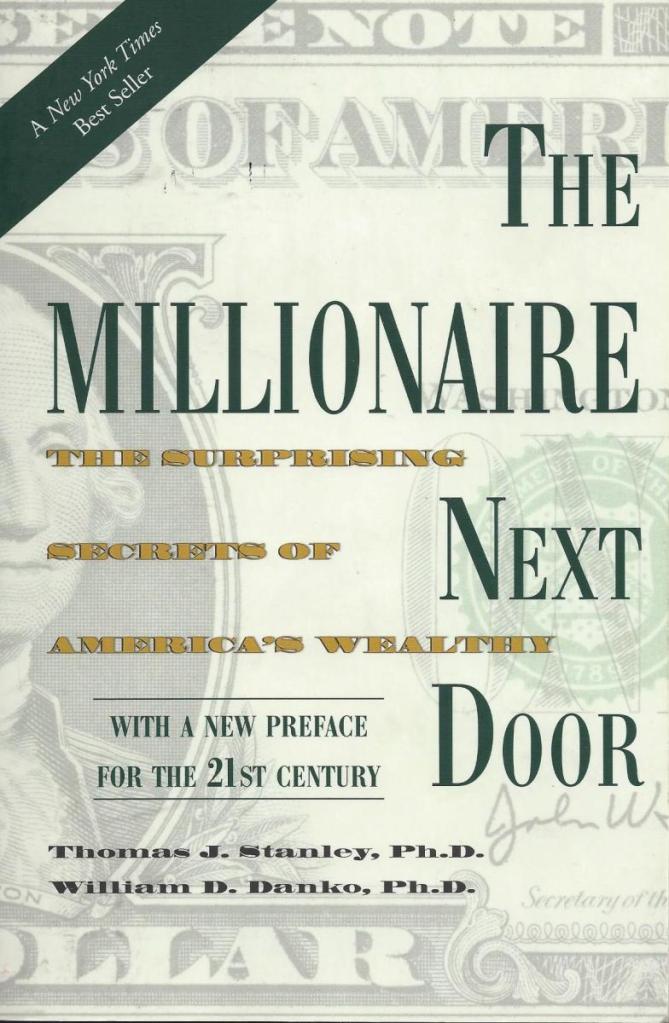
1. The Millionaire Next Door (Thomas J. Stanley and William D. Danko)
This book helped me understand that wealth isn’t reserved for high income earners. A millionaire can be anyone who is disciplined enough to invest a portion of their income over time. According to the book, the average millionaire invests 20% of their income each year. They are not spending that extra money on material possessions. The books states that these millionaires drive cheap cars, own their homes for long periods of time and budget regularly. This is counter to how culture tells us to get wealthy. Culture tells us to start a business, play the stock market and do side hustles. I recommend this book those who are burnt out on the hustle culture. If you are looking for a simple formula, look no further than this book.

2. Big Money Thinks Small (Joel Tillinghast)
This book helped me confront my lack of due diligence when investing in companies. You can read about how overconfidence bias blew up my investment account here. He gives historic and personal examples of times when he, himself and other investors didn’t do their research and the damage it caused. He outlines practical steps when it comes to researching a company for investment. They include:
- Don’t invest in what you don’t understand.
- Know yourself and your biases.
- Choose trustworthy and capable collaborators.
- Avoid companies with inherent flaws.
- Always search for bargains.
I recommend this book for those who desire to direct their own investment portfolio. For those who suffer with overconfidence bias, this book will help you set up barriers to develop better investment principles.
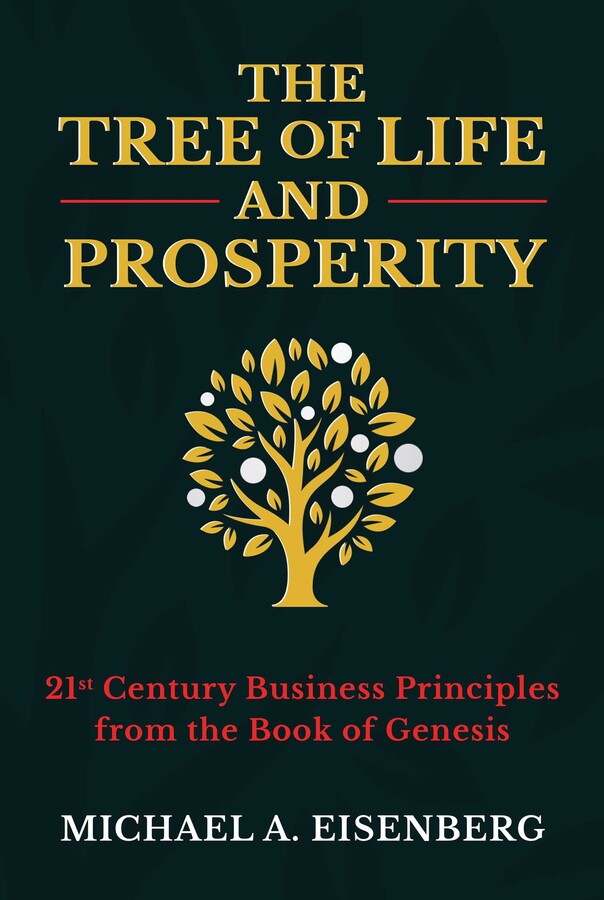
3. The Tree of Life and Prosperity (Michael A. Eisenburg)
This book helped me understand that the principles of wealth existed long before the idea of money was created. Michael is a venture capitalist living in Israel. He identifies wealth principles in the book of Genesis and explains how they are still applicable in today’s time. Not being of his faith, I still found this book fascinating. I loved how he paralleled Universal Basic Income (UBI) and the Garden of Eden. Adam was put in the garden to cultivate it. It gave him purpose. Without this work, Eisenburg states that Adam would become idle and sinful. He advocates that work gives purpose and everyone needs to work. I recommend this book for those who enjoy different perspectives on wealth and innovation. For those who have read Torah or the Bible this is a different view of Genesis that you will enjoy.

4. Die With Zero (Bill Perkins)
This book challenged my perspective on what it means to live a full life. This book can be summed up by the hilarious E*Trade commercial “Mount Everest”:
Bill advocates for living life to the fullest now, not later. He reminds us, that we will die, and long lives aren’t granted to everyone. If we are granted long life, our health will prohibit some of us from doing the things we should have done earlier. I loved his idea that experiences gain value over time. Material possessions quickly lose value. Yet, those life experiences, give the receiver something to joyfully reminisce about many years down the road. Running a marathon, hiking the PCT, traveling cross country are all life experiences. He calls them memory dividends. I recommend this book for those who struggle with hoarding resources for later. Later may never come, it is important to live life now.
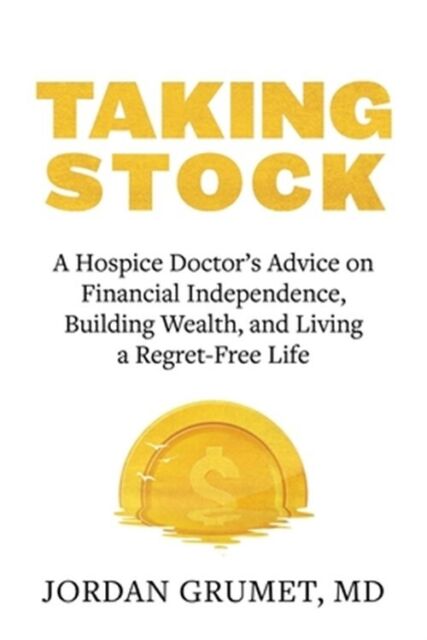
5. Taking Stock (Jordan Grumet, MD)
Jordan is a hospice doctor who often talks with people in the last stage of their life. After talking with his patients, he notices some common regrets. One of these include not spending more time with loved ones. Another was doing something that they’ve dreamed but were too scared or put off until later. Like Bill Perkins, Jordan encourages us to prioritize relationships and experiences over money. The author advocates for balance between now and later.
For those waiting until retirement to live freely, he cautions that, that time may never come. He warns that retirement and old age come with different desires. As a doctor, he encourages readers to maintain health because it is a form a wealth. It does you no good to gain wealth and not be able to enjoy it because of sickness. I recommend this book to those who are delaying the best years of their life for later. This book will challenge you to find things that you enjoy doing now and can continue to do to the end of your life.
Recommendations?
Do you have any books that changed your perspective? I would love to add them to my reading list.



 The principles of money
Leave a comment